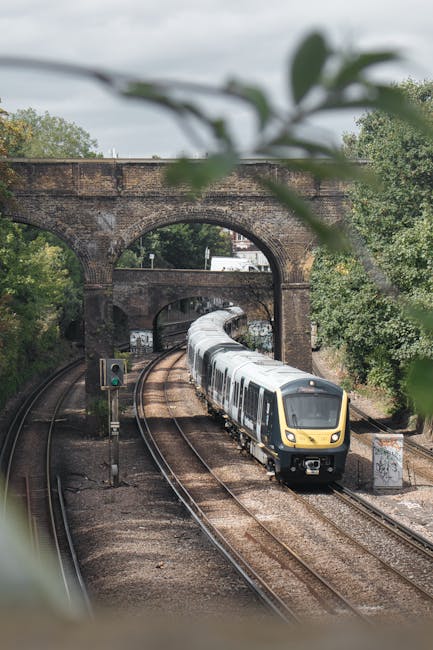
Putney removals East Putney Station access guide
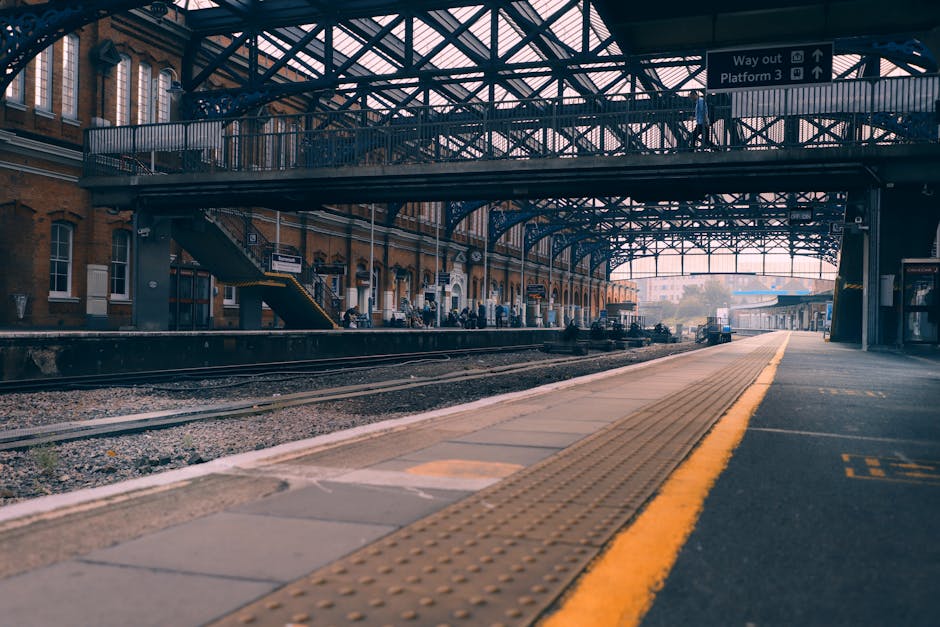
If you are planning a move near East Putney Station, the access side of the job can make the difference between a smooth day and a stressful one. Putney removals East Putney Station access guide is really about the little things that save time, reduce risk, and stop your removals team from battling awkward kerbs, tight turns, busy pavements, and rushed parking decisions. In a place like Putney, where residential streets, station traffic, and delivery restrictions can all overlap, getting access right is not a detail. It is the job.
This guide walks you through how access planning works, why it matters, which moving options suit different properties, and how to avoid the common mistakes people make when moving close to the station. You will also find a practical checklist, a comparison table, and a realistic step-by-step approach you can use whether you are moving a flat, a family home, or a small office. And yes, a bit of advance planning saves a lot of swearing later.
- Why access matters near East Putney Station
- How the access process works
- Benefits of planning removals access properly
- Who this guide is for
- Step-by-step moving guidance
- Expert tips for better results
- Common mistakes to avoid
- Tools, resources and recommendations
- Law, compliance, standards and best practice
- Options and comparison table
- Real-world example
- Practical checklist
- Conclusion
- Frequently asked questions
Why Putney removals East Putney Station access guide Matters
Access is one of those moving-day issues people often underestimate until the van is outside and the clock is already ticking. Around East Putney Station, you may be dealing with station footfall, narrow streets, parked cars, time-sensitive loading space, and building entrances that are not exactly built for easy sofa delivery. That is why a proper access guide matters: it turns guesswork into a plan.
For most removals, the biggest access problems are not dramatic. They are small and annoying. Can a vehicle stop close enough to the entrance? Is there room to manoeuvre without blocking traffic? Will the crew need extra carrying distance from the vehicle to the door? Can a large removal truck safely fit, or would a smaller option be better? These questions seem simple, but they shape the whole move.
If you are organising a move through a service such as home moves in Putney or even a more flexible man and van service, access planning helps the team choose the right vehicle, the right arrival time, and the right loading strategy. That means fewer delays and less stress for you. Truth be told, it also lowers the odds of that awkward moment where a large item simply will not turn the corner by the front door.
Near a station environment, timing matters too. Morning commuter traffic, deliveries, and short-stay parking all tend to stack up at the same time. If you are moving on a weekday, even a small miscalculation can ripple through the whole day. So yes, access planning is not glamorous. But it is often the thing that keeps the job calm.
How Putney removals East Putney Station access guide Works
The access process usually starts before moving day. A good removals team will ask where the property is, what type of road frontage it has, whether there is parking nearby, and how easy it is to get from the vehicle to the front door. If you are moving from a flat above shops, a terrace with limited curb space, or an office near the station, those details matter immediately.
In practice, the access guide works like a simple chain of decisions:
- Identify the type of property and entrance route.
- Check whether a large van or smaller vehicle is the better fit.
- Estimate carrying distance from vehicle to door.
- Plan for stairs, lifts, narrow hallways, or awkward turns.
- Decide whether packing, dismantling, or staging furniture will help.
- Build the move schedule around access windows and traffic patterns.
This is where practical services can help. If your move is straightforward, a simple man with van option may be enough. If you have more furniture, more fragile items, or a property that needs a larger loading plan, a removal truck hire arrangement may make more sense. And for office jobs where access timings are tighter, office relocation services can be particularly useful because they are usually planned around business continuity, not just transport.
It is also worth remembering that access is not just about the street outside. Corridors, stairwells, internal doors, lifts, and storage spaces can all become bottlenecks. You may notice this most when moving bulky items like wardrobes, desks, or dining tables. A sofa is only a sofa until it reaches a staircase. Then it becomes a geometry problem. Slightly annoying, yes.
Key Benefits and Practical Advantages
Good access planning gives you more than convenience. It improves the overall quality of the move in several practical ways.
- Less wasted time: the team spends less time circling for parking or carrying items from far away.
- Lower risk of damage: fewer rushed turns, fewer tight squeezes, fewer accidental scrapes.
- Better vehicle choice: the job can be matched to the right vehicle instead of forcing a too-large truck into a tight spot.
- More accurate pricing: the removals company can quote more realistically when access is described clearly.
- Less disruption for neighbours: careful access planning helps keep pavements, entrances, and shared spaces usable.
- Stronger moving-day confidence: everyone knows what to expect, which always helps.
One of the biggest hidden advantages is reduced friction at the start of the day. If the crew arrives knowing exactly where they can park, where the lift is, and which entrance to use, they can get on with the work. That sounds obvious, but plenty of moves lose their rhythm in the first twenty minutes because nobody has clarified the access details.
If you are moving a family home, the calmest route is often to combine good access planning with sensible packing support such as packing and unpacking services. That way, the loading sequence can be organised around the building layout, not just the boxes. And if you are replacing bulky furniture or clearing an old property, a furniture pick-up service can make the process far less chaotic.
Expert summary: the best removals near East Putney Station are rarely the ones with the biggest vehicle. They are the ones with the best access plan. Simple as that.
Who This Is For and When It Makes Sense
This guide is useful for a lot of people, not just those moving from a flat right by the station.
- Home movers: especially if you live in a flat, maisonette, terrace, or anything with limited frontage.
- Landlords and tenants: useful for end-of-tenancy moves when timing is tight and access is shared.
- Small businesses: offices, studios, and consulting rooms often need faster, cleaner access planning.
- People moving bulky furniture: if one awkward wardrobe is the main problem, access still matters.
- Anyone hiring a van near the station: the parking and loading picture can change very quickly.
It makes sense whenever you have any of the following:
- shared entrances or stairwells
- limited street parking
- multiple trips between the property and vehicle
- heavy or fragile items
- a building with access codes, lifts, or concierge rules
- a moving date that falls during peak traffic times
In a lot of cases, people do not realise they need this guide until they are already dealing with the practical side of a move. Fair enough. Moving is busy. But if you are reading this in advance, you are already ahead of the game.
Step-by-Step Guidance
Here is a sensible way to handle removals access near East Putney Station without overcomplicating it.
1. Walk the route yourself
Stand outside the property and walk the likely path from the road to the front door. Look for bottle-necks: steps, tight gates, low branches, steep kerbs, or narrow entrances. A route that feels "fine" in your head can feel very different when you are carrying a mattress or a TV.
2. Measure what matters
You do not need a full architectural survey. Just know the basics: doorway widths, stair turns, lift size if relevant, and whether furniture needs tilting or dismantling. A few quick measurements on your phone are often enough to avoid nasty surprises.
3. Check parking and stopping options
Near a station, parking is often the biggest access pressure point. Ask yourself where the vehicle can legally and safely stop, how long loading might take, and whether the street layout allows a reasonable turnaround. If you are not sure, build in a bit of slack. Access plans love a margin of error.
4. Match the vehicle to the property
Not every move needs the largest vehicle available. For compact flats or a light move, a smaller van may be more practical. For bigger family relocations, a larger truck can reduce shuttle trips and save time. The key is matching the vehicle to the access, not just the load.
5. Stage items in the right order
Keep the first items to come out easy to carry and the last items grouped logically. If you are using a removals team, tell them what should be loaded first and what should stay accessible. That little bit of ordering can make a surprisingly big difference.
6. Protect the building and the goods
Use floor protection, door guards, blankets, and straps where needed. If the building has shared areas, be considerate. A careful move is not just safer; it is more respectful. You will notice neighbours respond better when the hallway is treated properly, which is not exactly rocket science, but still worth saying.
7. Leave time for the unexpected
Maybe the lift is busy. Maybe a delivery van blocks the road. Maybe the sofa catches on the stair bend. It happens. Good access planning includes time for those little interruptions rather than pretending they will not exist.
Expert Tips for Better Results
After a lot of moving-day problem solving, a few habits stand out.
- Book the loading time with the access in mind. Early morning can work well, but only if parking is actually easier then.
- Keep a second route in mind. If the front entrance becomes blocked, is there a side route or alternative door?
- Tell the crew about obstacles before they arrive. Stairs, codes, gate locks, and parking restrictions should never be a surprise.
- Use packing labels that make sense. If boxes are marked by room and priority, unloading becomes faster and cleaner.
- Separate fragile, essential, and awkward items. That avoids the classic end-of-day scramble for chargers, documents, or kettle supplies.
A small but useful tip: keep a short access note on your phone and share it with everyone involved. Driver, movers, family member, office manager, whoever. One note. One place. No rummaging through text messages while the van is idling outside. That alone can save a lot of back-and-forth.
If your move is more complex than a simple flat clearance, the right vehicle and team matter even more. Many customers compare options like man and van, moving truck, and full-home support before choosing the right fit. That is a good instinct. Better to choose a method that suits the access than to force a bigger setup into a cramped street.
Common Mistakes to Avoid
A few mistakes come up again and again. They are avoidable, which is the frustrating part.
- Assuming the van can park right outside. It often cannot, at least not for long.
- Forgetting about carrying distance. Ten metres sounds short until you carry six boxes and a lamp across it.
- Ignoring stairwells and internal turns. A narrow landing can derail a move faster than the road outside.
- Booking the wrong vehicle size. Too large can be just as awkward as too small.
- Not telling the team about access codes or restrictions. A locked gate with no code is not a fun surprise.
- Leaving all packing until the morning of the move. That creates stress and slows down the load.
Another common one: people pack the van plan around ideal conditions instead of real conditions. Real conditions involve traffic, neighbours, rain, stairs, and the odd missing key. London moves are rarely perfect. The trick is to plan for the imperfect version and still keep things moving.
If you are moving a business or clearing work premises, the mistake can be even costlier because time pressure tends to be sharper. In those cases, it is worth looking closely at commercial moves and, where relevant, office relocation services so the job is set up to minimise downtime.
Tools, Resources and Recommendations
You do not need a massive kit list, but a few simple tools make access planning much easier.
- Measuring tape: for doors, furniture, and lift openings.
- Phone camera: useful for photographing entrances, stairs, and parking signs.
- Marker pens and labels: keep rooms and priority items clear.
- Furniture blankets and straps: help protect items and keep loads stable.
- Gloves and sturdy footwear: basic, but worth it when carrying items over uneven surfaces.
- Printed or saved access notes: codes, contacts, floor numbers, and timing details.
For many customers, the best "resource" is a simple conversation before moving day. That may sound old-fashioned, but it works. If you are unsure what kind of service suits your property, compare the practical difference between a smaller flexible setup and a full-scale removal solution. The choice usually becomes clearer once you think in terms of access, not just volume.
If you are also trying to keep the move budget under control, it can help to review pricing and quotes early in the process. And if you want to know more about the company side of things before booking, the about us page is a useful place to start. You can also reach out through contact us when you are ready to talk through access details properly.
Law, Compliance, Standards, or Best Practice
For a local removals job, compliance usually comes down to common-sense best practice, road safety, and respect for property and public space. That includes parking legally, not blocking access routes, protecting shared areas, and handling goods carefully. If a building has its own rules for loading bays, lifts, or delivery slots, those should be followed too. No drama, just the basics done properly.
In practical terms, a responsible removals process should also consider health and safety, insurance, and clear communication. You do not need to overthink the legal side, but you should expect a professional approach to risk reduction. That means using suitable equipment, planning lifting tasks sensibly, and not taking avoidable shortcuts because everyone is in a hurry.
If you want to understand how a removals business handles these issues, pages such as health and safety policy and insurance and safety can give you a better sense of working standards. For customers concerned about data handling or payment processes, the related payment and security and privacy policy pages are also worth reviewing.
For environmental responsibility, it is sensible to ask what happens to unwanted furniture and packaging. Reuse, responsible disposal, and recycling are all part of good practice now. If that matters to you, the company's recycling and sustainability information can help you understand the approach.
Options, Methods, or Comparison Table
Choosing the right moving method near East Putney Station often comes down to access, volume, and how much help you need on the day. Here is a simple comparison.
| Option | Best for | Access fit | What to watch out for |
|---|---|---|---|
| Man and van | Small moves, single-room moves, furniture pick-ups | Very good for tight streets and shorter loading distances | May need multiple trips for larger loads |
| Man with van | Flexible local moves, smaller household contents | Good when parking and access are limited | Less suitable for full-house moves with lots of items |
| Moving truck | Larger house moves, bulkier furniture, fewer trips | Best when the street can accommodate a larger vehicle | Can be awkward on very tight roads near stations |
| Removal truck hire | Planned moves needing a dedicated vehicle solution | Useful when you want structured loading and transport | Needs clear access planning before the day |
| Home moves | Full domestic relocations | Best when access is mapped out in advance | Delays grow quickly if the building layout is unclear |
As a rule, the smaller and trickier the access, the more valuable flexibility becomes. A slightly smaller vehicle with a better parking position can outperform a larger vehicle that is forever circling the block. That is the part people sometimes miss.
Case Study or Real-World Example
Imagine a third-floor flat move close to East Putney Station. The property is on a busy road, parking is restricted, and the lift is small enough that one large wardrobe will not fit upright. The first instinct might be to book the biggest truck available and hope for the best.
In reality, that move works better with a more careful approach. The movers arrive early enough to secure a sensible stopping position, the wardrobe is dismantled before loading, and boxes are staged in room order so the team can work quickly. Because the access route from flat to vehicle is not long, a smaller vehicle is actually more efficient. There is less wasted movement, fewer awkward turns, and far less risk of damaging the hallway walls.
Now compare that with a family house move where the street is wider but the load is much larger. In that case, a bigger vehicle may be the right answer, because it reduces shuttle trips and keeps the day compact. Same area, different access logic. That is why local removals work best when the plan starts with the property, not the vehicle.
We have seen the same pattern with office moves too. A small office near the station might only need a short, carefully timed loading window, while a growing team with multiple desks, monitors, and archive boxes may need a more structured schedule. Different access problem, different solution. Simple, but easy to miss when everything feels urgent.
Practical Checklist
Use this checklist before moving day. It is short on purpose.
- Confirm the exact property entrance and any access codes.
- Check where the vehicle can legally and safely stop.
- Measure any doors, stairs, lift openings, and tight corners.
- Identify large or awkward furniture that may need dismantling.
- Label boxes by room and priority.
- Keep fragile items separate and clearly marked.
- Tell the removals team about restrictions, stairs, or shared access.
- Have keys, documents, chargers, and essentials with you.
- Allow extra time if moving during busy traffic periods.
- Review the booking, payment, and safety details before the day.
If you can tick those off, you are in a much better place than most people on moving week. Honestly, that alone can take the edge off the whole thing.
Get a free quote today and see how much you can save.
Conclusion
A good Putney removals East Putney Station access guide is really about making the move feel orderly before the first box is even lifted. Around East Putney Station, where traffic, parking, and building access can all create friction, the smartest move is usually the one that respects the route, the timing, and the property layout from the start.
Whether you are planning a home move, a smaller van job, a furniture collection, or a more complex office relocation, access planning gives you a cleaner, calmer process. It helps you choose the right vehicle, avoid unnecessary delays, and protect both your belongings and the building itself. That is the kind of preparation people remember afterwards, even if they never think about it during the booking stage.
And to be fair, that is the whole point: not perfection, just a move that feels under control. One careful step at a time.
Frequently Asked Questions
What does a removals access guide actually cover?
It covers the practical things that affect how a move runs: parking, carrying distance, stairs, entrances, vehicle size, loading order, and any building restrictions. Near East Putney Station, those details often matter as much as the packing itself.
Why is access so important for moves near East Putney Station?
Because station-adjacent areas can be busy, tight for parking, and sensitive to timing. A move can lose time quickly if the van cannot stop safely or if the loading route has unexpected obstacles.
Should I choose a man and van or a larger removal truck?
It depends on how much you are moving and how easy the access is. A smaller setup can be ideal for tight roads and light loads, while a larger truck suits bigger moves where fewer trips are better.
How do I know if my building access is good enough for a removals team?
Walk the route from the road to the door and look for narrow turns, stairs, low ceilings, lift limits, or blocked entrances. If you are unsure, measure the tight spots and describe them clearly before booking.
Do I need to tell the removals company about parking restrictions?
Yes, absolutely. Parking and stopping space can affect the timing and vehicle choice. If the team knows in advance, they can plan more realistically and avoid delays on the day.
What if my furniture will not fit through the stairs or lift?
Then it may need dismantling, angled carrying, or a different route through the property. This is one reason access checks matter so much before moving day. A little preparation saves a lot of lifting drama.
Can access problems change the cost of a move?
They can, because difficult access may take longer or require a different vehicle or more handling time. The most useful thing you can do is describe the property clearly so the quote is based on real conditions.
What should I do if there is no parking right outside the property?
Plan for a realistic loading distance and tell the removals team in advance. Sometimes a slightly different vehicle choice or arrival time makes the job far easier, even if it means a short extra walk.
Is packing support worth it for a move near the station?
For many people, yes. If the access is a bit awkward, professional packing and unpacking can save time and reduce the number of loose, difficult-to-carry items on the day.
What kind of move is best for a flat close to East Putney Station?
Often a smaller, flexible solution works best, especially if parking is tight or the building has stairs and limited turning space. A man with van setup or a well-planned home move can be a very sensible choice.
How far in advance should I plan access details?
As early as you can, ideally when you first start booking. Even a basic access summary helps the removals team choose the right vehicle and time slot. It does not have to be perfect; it just has to be honest and specific.
What are the most common access mistakes people make?
The biggest ones are assuming the van can park right outside, underestimating stairs or lift limits, and forgetting to mention parking or building restrictions. They are easy mistakes. Also very preventable, which is the good news.
Can removals help with office moves near East Putney Station too?
Yes. Offices often need more careful scheduling because access, downtime, and building rules can all matter at once. That is where dedicated office relocation services can be especially helpful.