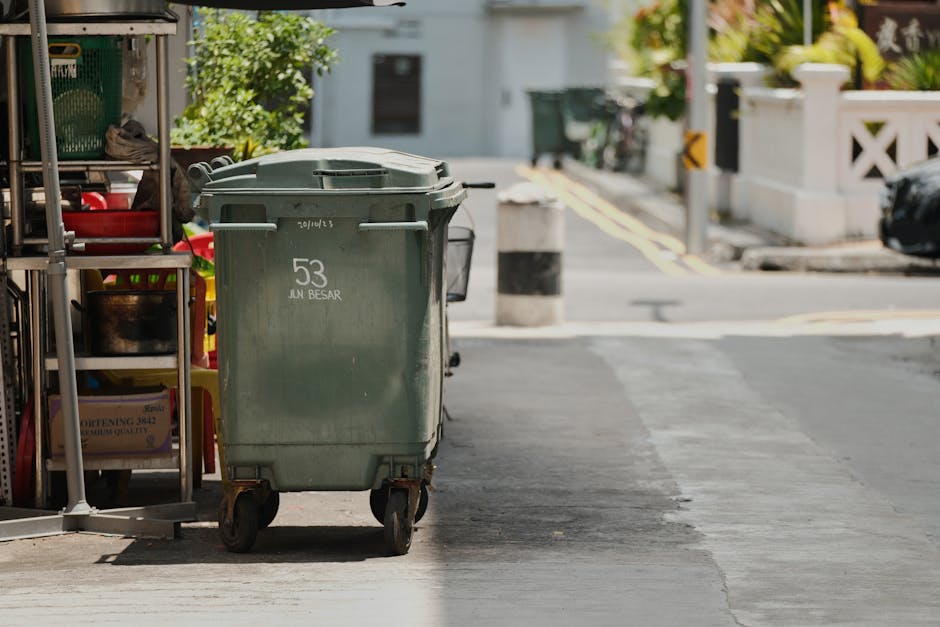
Council Waste Disposal Rules for Moves in Putney (SW15)
Moving house or office in Putney can feel simple right up until the bins, bulky waste, and leftover clutter enter the picture. That is usually where people get caught out. The Council Waste Disposal Rules for Moves in Putney (SW15) are there to keep pavements clear, avoid fly-tipping, and make sure your move does not turn into a stressful clean-up job after the van has gone. If you are sorting through old furniture, broken appliances, packing material, or just the random bits that appear from nowhere in a cupboard, this guide walks you through what matters, what to avoid, and how to stay on the right side of council expectations without overcomplicating things.
Truth be told, most moving problems around waste are not dramatic. They are small mistakes: leaving a mattress on the kerb too early, putting the wrong thing in the wrong bin, or assuming the council will collect anything, anytime. A little planning goes a long way. And if you are moving locally, you will notice how much easier the day feels when waste is handled properly before moving day arrives.
For readers comparing move support and disposal options, it can also help to look at broader moving services such as home moving support, man and van help, or furniture pick-up if you need unwanted items cleared in a sensible, organised way.
Table of Contents
- Why Council Waste Disposal Rules for Moves in Putney (SW15) Matters
- How Council Waste Disposal Rules for Moves in Putney (SW15) Works
- Key Benefits and Practical Advantages
- Who This Is For and When It Makes Sense
- Step-by-Step Guidance
- Expert Tips for Better Results
- Common Mistakes to Avoid
- Tools, Resources and Recommendations
- Law, Compliance, Standards, or Best Practice
- Options, Methods, or Comparison Table
- Case Study or Real-World Example
- Practical Checklist
- Conclusion
- Frequently Asked Questions
Why Council Waste Disposal Rules for Moves in Putney (SW15) Matters
Waste disposal during a move is not just a tidy-up task. It affects timing, access, neighbour relations, and in some cases compliance. In Putney, where streets can be busy and parking is often tight, leaving items outside at the wrong time can create a mess quickly. A pile of packing waste on the pavement does not stay neat for long. One passing rain shower, a gust of wind, and suddenly cardboard is halfway down the road. Not ideal.
These rules matter because moving generates more waste than people expect. You may have old wardrobe doors, dismantled shelving, broken hangers, chipped kitchenware, batteries, paint tins, lamps, cables, wrapping film, and soft furnishings. Some of that can go for recycling. Some needs special handling. Some should never be left with general rubbish at all. The council rules help you separate what can be collected, what should be taken to a suitable disposal route, and what may require a specialist service.
There is also a practical side. If you sort waste properly before moving day, loading is faster, the property is easier to hand over, and you avoid the awkward "where do we put this?" moment at the last minute. That moment always comes, by the way. Usually when the kettle is already packed.
For businesses moving offices or closing a site, the stakes can be higher. Business waste, confidential paperwork, old fixtures, and redundant furniture often need a more structured approach. If that sounds familiar, a look at commercial moves and office relocation services can help frame the moving side of the job, while waste planning keeps the relocation neat and efficient.
How Council Waste Disposal Rules for Moves in Putney (SW15) Works
At a simple level, the council expects waste to be placed in the correct containers, presented on the correct day if a collection is arranged, and not left in a way that creates an obstruction or nuisance. The exact process can vary depending on the type of item, the property type, and whether you are using a regular domestic collection, a bulky waste collection, or another disposal route.
Most moving-related waste falls into a few practical categories:
- General household waste such as broken household bits, food packaging, and non-recyclable rubbish.
- Dry mixed recycling like clean cardboard, some plastics, cans, and glass, depending on local collection arrangements.
- Bulky waste such as mattresses, wardrobes, sofas, tables, and white goods.
- Hazardous or specialist items including batteries, chemicals, paint, gas canisters, and some electrical items.
- Reuseable items that may be better kept in circulation rather than discarded.
For move-related waste, the key is to identify which items are ordinary rubbish and which ones need a specific disposal route. A sofa wrapped in dust sheets may seem harmless, but it may still need a bulky waste collection or a reuse route. A few flattened boxes are different from a broken fridge. Not everything can just be set out together and hoped for the best.
In many cases, the smartest approach is to split waste handling into three stages: sort, separate, and schedule. Sort what you are keeping, donating, recycling, or throwing away. Separate reusable packing from actual rubbish. Then schedule collections or removal early enough to avoid a final-day scramble. That bit matters more than people think.
Key Benefits and Practical Advantages
Following the right waste disposal rules during a move is not only about avoiding trouble. It makes the entire relocation feel calmer and more controlled. A tidy exit means a better handover, quicker packing, and less risk of forgetting one awkward item behind a shed or in a hallway cupboard.
Here are the main advantages:
- Less risk of obstruction on pavements, stairs, and shared access areas.
- Cleaner handover for landlords, buyers, agents, or building managers.
- Better recycling outcomes when cardboard, plastics, and reusable items are separated properly.
- Lower chance of fines or complaints linked to improper waste placement or fly-tipping concerns.
- Less moving-day stress because disposal decisions are made in advance, not at 8pm with a full van and a tired back.
There is another benefit that people often miss: waste rules can help you decide whether a disposal item should be handled with the move itself. If you are already booking removal truck hire or arranging a moving truck, it may be more efficient to include approved waste removal or furniture collection as part of the same plan rather than doing it later.
And for local households, there is a decent sustainability upside too. Reusing or recycling where possible is simply better than tossing everything in one go. The less waste that goes to landfill, the better for everyone. Sounds obvious, but it is easy to forget during a stressful move.
Who This Is For and When It Makes Sense
This topic matters to almost anyone moving in SW15, but some groups benefit more than others.
Home movers
If you are moving from a flat, terrace, or family home in Putney, you will likely generate packing waste, old furniture, and occasional items you decide not to take. Home moves often involve a mix of reuse, recycling, and disposal, especially if you are downsizing or combining households.
Tenants ending a tenancy
Tenants often need to leave a property clear and presentable. If the landlord or letting agent expects the place empty and tidy, waste handling becomes part of your moving deadline. It is best not to leave a mattress or broken chair by the front step and assume someone else will magic it away. That rarely ends well.
Homeowners preparing for sale
Sellers often want the property to look as spacious and well kept as possible. Clearing clutter early helps with staging, photos, and final checks. If the move is tied to cleaning, decorating, or repairs, you may need to book packing support too. In those cases, packing and unpacking services can take pressure off the last 48 hours.
Small businesses and offices
Commercial moves usually create different waste streams: office chairs, monitors, paper files, shelving, old peripherals, and packaging from new equipment. Office relocations need careful planning because you may also need to protect confidential material and clear out redundant furniture responsibly. For that sort of move, commercial moves can be more suitable than a general domestic approach.
Anyone with bulky or awkward items
If you have a broken bed frame, a sofa with collapsed springs, or white goods that are too heavy to move safely by hand, waste rules and disposal logistics matter a lot. In practice, it is often safer to book the right removal help than to improvise with a friend, a trolley, and too much optimism.
Step-by-Step Guidance
Here is a simple way to handle waste disposal before or during a move in Putney without overthinking it.
- Walk through the property room by room. Start with lofts, cupboards, under-sink areas, sheds, and balconies. These spaces are notorious for hiding things you had entirely forgotten about.
- Sort into four piles. Keep, donate, recycle, dispose. If you are not sure about an item, place it in the "review later" group rather than making a rushed call.
- Separate bulky items early. Mattresses, wardrobes, sofas, and appliances should be treated differently from bagged waste or cardboard.
- Check what can be collected through normal household disposal. If an item does not fit the usual bin system, assume it may need another route.
- Book a bulky collection or removal service if required. Leave time for this. One of the most common mistakes is waiting until the day before completion.
- Flatten and bundle recyclables. Cardboard boxes, paper packing, and clean wrapping materials are easier to move and recycle if compacted neatly.
- Keep hazardous items out of general waste. Batteries, liquids, and certain electrical components need a separate check. Don't guess.
- Do a final sweep on moving day. Look inside drawers, behind radiators, and in cupboard corners. This always turns up something: a screw tin, a cable, three socks, a half-used roll of tape. Human nature.
If you are using a smaller vehicle or a flexible local removal option, the right setup can make a real difference. Services like man with van support or man and van transport can be useful for smaller loads, while larger moves may suit a bigger vehicle. The main point is simple: match the disposal method to the actual volume and type of waste.
Expert Tips for Better Results
A few small habits can save you a lot of trouble later.
- Start waste sorting before packing proper begins. If you wait until everything is boxed, you will end up moving rubbish from one place to another. Not much fun.
- Keep one "discard" zone in the property. Use a corner of a room or one empty box stack for items you are definitely not keeping.
- Label bulky items clearly. If several people are helping, mark what stays, what goes, and what may need special handling.
- Use strong bags for mixed waste. Thin bags split at exactly the wrong moment, usually on the stairs or by the doorway.
- Think in terms of access. If bins, collectors, or removal crews need to pass through narrow hallways or shared entrances, plan the order of clearing carefully.
- Keep evidence of what you removed. For tenancies or managed properties, a photo of the cleared rooms can be useful.
- Check sustainability options before disposing. Reuse and donation are often better than throwing usable items away. That is good practice, and frankly it just feels better.
For people who want waste handling to fit neatly into the overall move, it can help to compare the broader service structure too. If the job is straightforward, a single-vehicle setup may be enough. If you have a lot of items, multiple stops, or mixed loading needs, moving truck support can be more practical. In some cases, you may find house removalists offer a better fit for larger domestic moves where careful handling matters as much as speed.
Common Mistakes to Avoid
Most waste-related moving problems come from a handful of very ordinary mistakes. Nothing exotic. Just rushed decisions and a bit too much confidence.
- Leaving bulky waste at the kerb without checking collection rules. This can lead to complaints or items being left out longer than they should be.
- Mixing recycling and general waste. Once bags are mixed, the whole job becomes more difficult.
- Assuming electronics can go with household rubbish. They usually should not.
- Ignoring paint, chemicals, and batteries. These are the items people always mean to deal with later. Later rarely comes.
- Forgetting landlord or building requirements. Flats, managed blocks, and shared access properties may have separate expectations.
- Underestimating how much rubbish a move produces. Cardboard alone can become a small mountain.
- Trying to move unsafe items yourself. Heavy furniture and awkward appliances can cause damage or injury if handled poorly.
One more thing: do not treat all waste as one category just because it is inconvenient. That shortcut usually costs time, and sometimes money too. Better to pause for ten minutes and separate the load properly than to discover a problem after the van is gone.
Tools, Resources and Recommendations
You do not need fancy equipment to manage move-related waste well. A few simple tools are enough.
- Marker pens and labels for identifying keep, recycle, and dispose items.
- Heavy-duty sacks and boxes for packing mixed non-reusable waste.
- Flat pack tools such as screwdrivers and Allen keys for dismantling furniture.
- Stretch wrap or tape for securing loose cardboard bundles.
- Protective gloves if you are dealing with dirty loft items, broken furniture, or sharp edges.
- A simple room-by-room list so nothing gets left behind.
Useful services to consider, depending on the type of move and waste volume, include recycling and sustainability support when you want to handle materials responsibly, or furniture pick-up when a reusable or bulky item needs removing efficiently. If your move is business-related, office relocation services can help keep the project organised without the chaos of mixing paperwork, equipment, and discard piles into one messy process.
If you are working to a tight deadline, pricing and planning also matter. It is worth reviewing pricing and quotes early so you can decide whether to fold waste clearance into the main move or book it separately. Small strategic choice, big difference on the day.
Law, Compliance, Standards, or Best Practice
Waste disposal in the UK is governed by a mix of local council expectations, environmental duties, and common-sense safety standards. For moving in Putney, the practical takeaway is straightforward: do not leave waste in a way that causes an obstruction, creates a hazard, or risks being treated as fly-tipping. If you are unsure whether an item belongs in general waste, recycling, or a separate collection stream, treat caution as the safer option.
For households, the main best practices are:
- Use the council collection system correctly.
- Do not dump bulky items in communal areas unless a collection has been arranged and allowed.
- Keep hazardous materials separate.
- Follow any building-specific move rules if you live in a block or managed property.
For businesses, there is usually a stronger expectation around duty of care, record keeping, and responsible handling of commercial waste. That can include secure disposal of confidential materials and proper sorting of recyclable items. The exact obligations depend on the type of waste and the setting, so it is sensible to plan with care rather than assume everything can be handled the same way.
Best practice is often a bit more demanding than the minimum. That is not a bad thing. It means less friction, fewer complaints, and a cleaner finish to the move. In a busy area like SW15, where access matters and neighbours notice everything, good waste practice is not just polite. It is smart.
Options, Methods, or Comparison Table
There is more than one way to deal with waste during a move. The right choice depends on item type, quantity, urgency, and how much help you need.
| Method | Best for | Pros | Watch out for |
|---|---|---|---|
| Normal household disposal | Small everyday rubbish | Simple and familiar | Not suitable for bulky or specialist items |
| Recycling separation | Cardboard, clean packaging, reusable materials | Better environmental outcome | Needs sorting and space |
| Bulky collection | Sofas, beds, wardrobes, appliances | Good for large items | Must follow collection rules and timing |
| Removal service with disposal support | Mixed move waste and furniture | Efficient and hands-off | Needs clear instructions and planning |
| Reuse or donation route | Good-quality items no longer needed | Waste reduction and value retention | Not suitable for damaged goods |
For many Putney moves, the most practical route is a blended one: recycle what you can, remove bulky items in advance, and use a move service for the rest. That keeps the actual move day cleaner and easier. No one wants to stand in a hallway on the last morning deciding whether a broken side table counts as "vintage" or "rubbish".
Case Study or Real-World Example
Imagine a couple moving out of a first-floor flat near central Putney. They have a sofa they are not taking, several bags of old clothes, a stack of cardboard boxes, a dismantled bed frame, and a few kitchen items that are too chipped to keep. They also discover two small shelves in a cupboard they had forgotten about. Classic move-day chaos, really.
Instead of leaving everything to the final evening, they sort the items three days earlier. Cardboard gets flattened and stacked. Keep items are boxed and labelled. The sofa is separated and booked for removal. The bed frame is dismantled safely rather than dragged through the stairwell. The council-bound general waste is bagged properly, and no hazardous items are mixed in by accident.
On moving day, the flat is clear, the hallway is usable, and the handover takes place without any awkward "we'll come back for that later" conversations. It is a small example, but it shows the value of handling waste as part of the move, not as an afterthought. The whole thing feels calmer. Less noise. Less last-minute panic. A bit more dignity, if we are honest.
If that kind of organised approach sounds helpful, take a look at insurance and safety as well, especially where heavy lifting, access issues, or fragile items are involved. The goal is not just to move things. It is to do it properly.
Practical Checklist
Use this before moving day to keep waste under control.
- Walk through every room, cupboard, loft, shed, and balcony.
- Separate keep, donate, recycle, and dispose items.
- Flatten cardboard and bundle packaging neatly.
- Identify bulky items that need a separate collection or removal.
- Keep batteries, liquids, and other special items apart from general rubbish.
- Check access arrangements for collections or removals.
- Confirm any building, landlord, or estate rules if you live in managed property.
- Book support early if the amount of waste is larger than expected.
- Do a final sweep of drawers, under sinks, and behind furniture.
- Leave the property clear, tidy, and ready for handover.
Conclusion
Council waste disposal rules are one of those moving topics people only think about when something goes wrong. But if you handle them early, they become a quiet advantage. You move faster, clear the property properly, and avoid the kind of mess that turns a good day into a long one. In Putney, where access and timing can be a bit tight, that preparation really pays off.
The best approach is usually simple: sort early, separate properly, and match the waste method to the item. A little care here saves a lot of hassle later. And to be fair, there is something satisfying about leaving a property clean and empty without any leftover clutter hanging around.
If you are planning a move and want the waste side handled with less stress, it helps to compare your options and choose a service that fits the size and pace of your relocation. For further support, you can explore about us or contact us to discuss the moving plan in a way that suits your schedule.
Get a free quote today and see how much you can save.
Frequently Asked Questions
What are the Council Waste Disposal Rules for Moves in Putney (SW15)?
They are the local expectations for how to sort, present, and dispose of waste when moving in Putney. In practice, that means using the correct bins, arranging bulky disposal properly, and not leaving rubbish in a way that blocks access or creates an eyesore.
Can I leave moving boxes on the pavement for council collection?
Only if they are allowed for collection under the relevant waste arrangement and are presented correctly. Cardboard usually needs to be flattened and kept clean. If you are unsure, treat it as recyclable material rather than general rubbish and follow the proper route.
What should I do with a sofa or mattress when I move?
These are usually treated as bulky items and should not be dumped informally. A bulky collection or an arranged removal service is normally the better option, especially if the item is too large to handle safely.
Can I put broken electrical items in general waste?
Usually not. Electrical waste often needs separate handling, and it is better to keep it apart from ordinary rubbish until you know the correct disposal method.
What happens if I leave waste outside too early?
It may become an obstruction, attract complaints, or be viewed as poor waste presentation. In a busy area, items can also get damaged, scattered, or mistaken for fly-tipping. Timing matters more than people think.
Do tenants have to clear all waste before moving out?
In most cases, tenants are expected to leave the property tidy and remove their belongings, including rubbish that belongs to them. If you are ending a tenancy, do not assume the landlord will deal with leftover waste.
Is it better to book waste removal separately from the move?
That depends on the amount and type of waste. For small amounts, separate disposal may be fine. For bulky or mixed loads, combining waste handling with the move can be more efficient and less stressful.
How far in advance should I deal with moving waste?
Ideally a few days before moving day, not the morning of the move. Early sorting gives you time to separate recyclables, identify bulky items, and avoid last-minute decisions.
What items need special care during disposal?
Batteries, paints, chemicals, some electrical items, and anything sharp or hazardous should be handled separately. If an item feels risky, heavy, or unknown, pause and check rather than guessing.
Can reusable furniture be collected instead of thrown away?
Yes, in many cases reusable items are better collected for reuse or appropriate pick-up rather than discarded. That can be cleaner, more sustainable, and sometimes more convenient than treating everything as waste.
How do business moves differ from home moves for waste disposal?
Business moves often involve office furniture, confidential materials, IT equipment, and larger volumes of packaging. That means more planning, more sorting, and a stronger need for organised disposal. It is a different rhythm altogether.
What is the safest way to reduce waste during a move?
Start early, only pack what you need, recycle clean materials, and remove bulky items in advance. If you want to cut waste properly, the trick is not to create it in the first place. A bit boring, maybe, but very effective.